
Sanitizer Test Strips
Cleaning & Organization
Essential
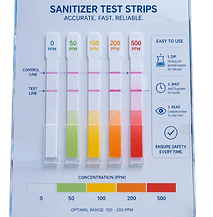
Testing strips used to verify that sanitizer buckets, three-compartment sinks, and approved sanitizer solutions are mixed to the correct concentration
Sanitation / Testing

What It's For
Sanitizer test strips are used to check whether a sanitizer solution is mixed to the proper concentration.
Behind the bar, they are most commonly used for sanitizer buckets, wiping-cloth pails, three-compartment sink sanitizer basins, and any approved sanitizer solution used for cleaning and sanitizing food-contact or service-contact surfaces.
The strip changes color after contact with the sanitizer solution, and staff compare that color to the chart on the test strip container.
The goal is simple: the bar team should know the sanitizer is correct instead of guessing,
Why It Matters
Sanitizer test strips help the bar team keep sanitizer buckets accurate, usable, and safe during service.
A sanitizer solution can be too weak, too strong, old, dirty, cloudy, or mixed incorrectly. If it is too weak, it may not sanitize properly. If it is too strong, it may be unsafe, leave residue, damage surfaces, or violate the product’s proper-use instructions.
For LMA programs, sanitizer test strips matter because they turn sanitation from "it looks fine" into something the team can actually check,
A red sanitizer bucket on the bar looks professional, but the real question is whether the solution inside that bucket is correct.
_edited.png)
LMA Standard

Use sanitizer test strips that match the exact sanitizer chemical being used.
If the operation uses quaternary ammonium sanitizer, use quat test strips.
If the operation uses chlorine sanitizer, use chlorine test strips.
If the operation uses iodine sanitizer, use iodine test strips.
Do not mix and match test strips. The strip has to match the sanitizer being used.
Sanitizer solution should always be mixed, tested, and maintained according to the sanitizer manufacturer’s label, the restaurant’s approved sanitation procedure, and local health department requirements.
Test sanitizer buckets during opening setup, when fresh solution is made, and whenever the solution becomes dirty, cloudy, visibly soiled, questionable, or replaced during service.
Keep the test strips near the sanitizer setup area so the team can test quickly during opening, service and reset.
What To Look For

Test strips that match the sanitizer type
Clear color chart
Easy-to-read concentration range
Foodservice-appropriate testing range
Simple instructions
Container that protects strips from moisture
Expiration date or usable life information
Fast reading time
Enough strips for daily service use
Staff-friendly packaging
Reliable brand used in foodservice operations
Separate strips for separate sanitizer types when needed
A strong test strip setup should make the correct answer easy to see.

What to Avoid
Using quat strips for chlorine sanitizer
Using chlorine strips for quat sanitizer
Expired test strips
Wet or contaminated test strips
Strips stored near sinks, ice wells, or wet areas
Color charts that are missing or damaged
Guessing sanitizer strength by smell
Assuming “more chemical” is better
Topping off old sanitizer without testing
Using sanitizer solution that is cloudy or dirty
Keeping test strips locked away from staff
Teaching the setup but skipping the testing step
Using one random container of strips for every sanitizer type
Avoid any setup where staff are guessing instead of testing

Recommended
Quantity
Minimum recommendation:
1 container of the correct sanitizer test strips stored near each sanitizer setup area
Better working setup:
1 active container near the bar sanitizer station
1 active container near the dish or three-compartment sink area
1 backup container stored dry
Separate strip types if the operation uses more than one sanitizer chemical
High-volume or multi-bar restaurants may need test strips at each major service area so bartenders are not leaving the station just to test sanitizer
At minimum, the correct strips should be available before service begins
Best Uses

Testing sanitizer buckets
Testing wiping-cloth pails
Testing three-compartment sink sanitizer basins
Testing freshly mixed sanitizer solution
Opening bar setup
Mid-service sanitizer checks
Closing sanitation reset
Pre-shift station checks
Health-code readiness
Training new bartenders
Prep area sanitation
Service station setup
Common areas:
Main cocktail well
Service bar
Prep station
Garnish station
Coffee / espresso station
Server station
Banquet bar
Event bar
Dish area
Three-compartment sink
Cleaning &
Maintenance

Keep test strips dry.
Close the container tightly after use.
Store strips away from sinks, ice wells, sanitizer buckets, steam, humidity, and wet prep areas.
Do not touch the testing end with wet or dirty hands.
Do not use strips that are expired, water-damaged, faded, contaminated, or missing their color chart.
Replace strips before they run out.
The correct strip type should be checked regularly so the bar is not set up with the wrong testing tool.
Pro Tip
Treat sanitizer testing like part of opening setup, not like something you only think about when there is an inspection.
The correct sanitizer, correct dilution, correct test strip, and correct reading all work together. If one part is wrong, the system is not reliable.
For LMA programs, the standard is simple: match the strip to the chemical, test the solution, follow the label, follow local code, and replace anything that is dirty, questionable, or out of range.

Common Mistakes
Using the wrong test strip for the sanitizer type
Not testing sanitizer at opening
Not testing after remaking a bucket
Using expired strips
Leaving the test strip container open
Getting strips wet inside the container
Reading the strip too early or too late
Not comparing to the correct color chart
Assuming sanitizer is correct because it smells strong
Assuming stronger sanitizer is automatically better
Not showing the team what the correct range looks like
Keeping strips too far away from where sanitizer is mixed
Not replacing missing or empty strip containers
Using sanitizer buckets without any testing system
